





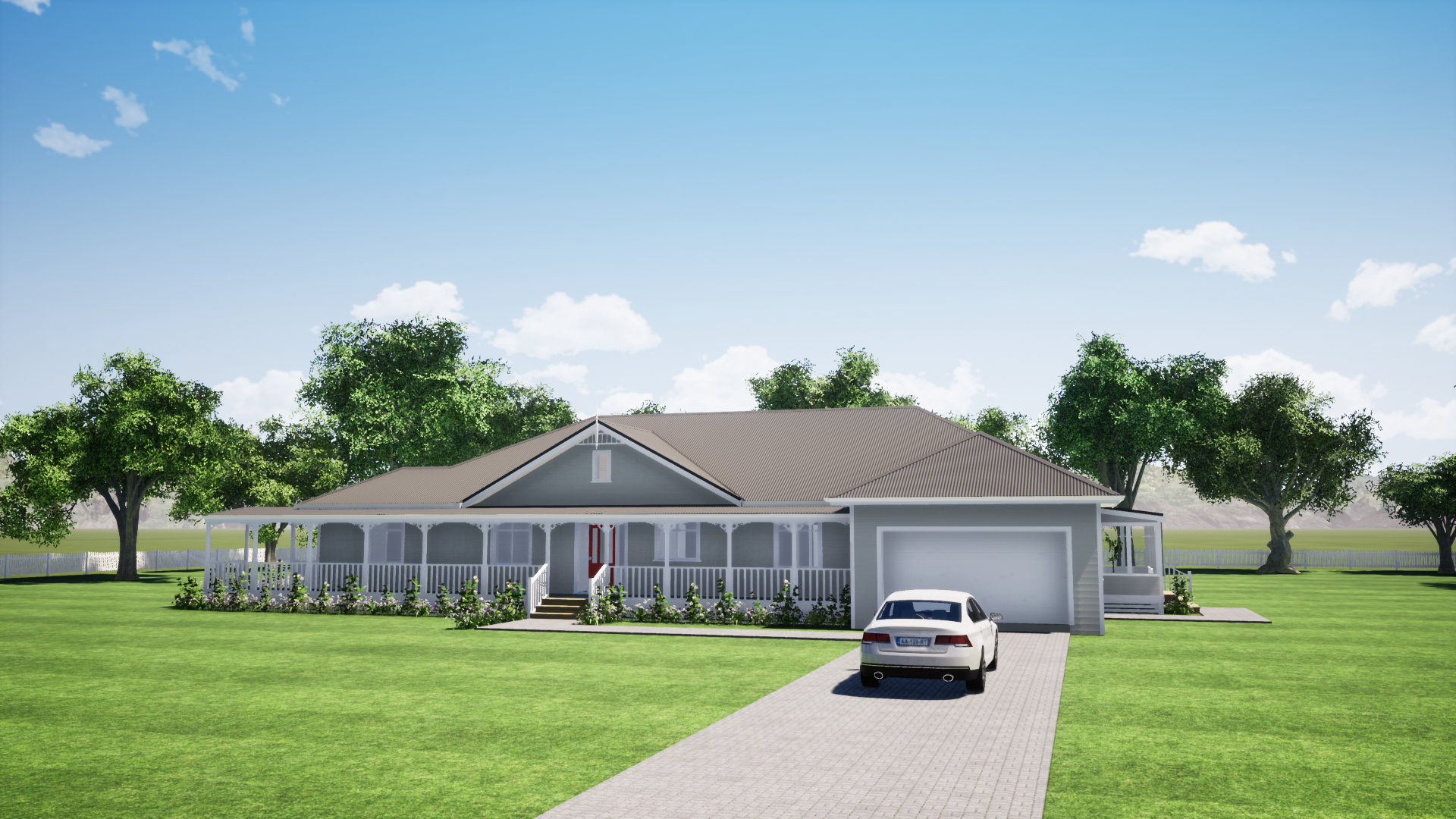
Original villas are cold. New character homes are not — and the difference is written into the Building Code. Since the H1 energy-efficiency rules were updated, a new home in New Zealand has had to meet roof insulation of R6.6, walls of at least R2.0, and window performance that single glazing cannot reach.
A 1900s villa was built with none of that: no wall insulation, no underfloor insulation, single-glazed sash windows and a draught path under every door. Same look, completely different building. Here is what actually changed, and where a character design still has to work harder than a plain box.
What the current insulation rules require
The H1 update was the biggest change to New Zealand's energy-efficiency requirements in over a decade. The country moved from three climate zones to six, and the minimums rose sharply (Building Performance):
| Element | Requirement | What changed |
|---|---|---|
| Roof | R6.6 | Roughly doubled |
| Walls | R2.0 minimum | Raised across all housing |
| Windows & doors | R0.37, rising to R0.46–R0.50 in colder zones | Up from R0.26 |
The window figures matter most for a character home, because villas and bungalows carry a lot of glazing. Those levels are beyond what single glazing can achieve, so double glazing is now standard, and the colder southern and inland zones generally call for higher-performing frames and glass again. Requirements rise with the climate zone, so the same plan built in Canterbury carries a different specification from one built in Northland.
Why the original villas are cold
It is worth being specific, because it explains what a new build fixes:
- No wall insulation. Pre-1970s villas were built without it. Retrofitting means opening walls or drilling and blowing in.
- Single-glazed sash windows. Beautiful, and a straight path for heat to leave.
- Suspended floors over an open subfloor. Cold air underneath, often with no underfloor insulation.
- Draughts. A century of timber movement leaves gaps around joinery, floorboards and skirtings.
- High ceilings with no ceiling insulation. Warm air rises to a cold roof space and stays there.
All of it is fixable in a renovation, and it is a large part of what a full villa restoration spends money on — see what villa renovation really costs.
The honest trade-offs of a character design
A new character home meets the same code as any other new home, but two features of the style do work against you, and a good design accounts for them:
- High studs mean more air to heat. The generous ceiling height that makes a villa feel like a villa also increases the volume of every room. Insulation levels are per square metre of envelope; heating demand follows volume.
- More glazing. Bay windows and tall vertical openings are the look, and glass is always the weakest part of a thermal envelope, however good the joinery.
Neither is a reason to avoid the style. They are reasons to get orientation right, to specify the glazing properly rather than to the minimum, and to think about the heating system at design stage — which is also when the floor decision is made, since an insulated slab behaves very differently from a suspended timber floor. That comparison is in concrete slab or timber floor on piles, and the pod systems used under a raft slab are covered in polystyrene vs recycled plastic pods.
Frequently asked questions
Are new character homes cold like old villas?
No. A new character home is built to current Building Code requirements — roof insulation of R6.6, walls of at least R2.0, and window performance beyond what single glazing can achieve. An original villa was built with no wall insulation, single-glazed windows and an uninsulated subfloor. The look is the same; the thermal performance is not comparable.
What insulation is required in a new home in NZ?
Since the H1 energy-efficiency update took full effect, new homes must meet roof insulation of R6.6 and wall insulation of at least R2.0, with window and door R-values of R0.37 rising to R0.46–R0.50 in the colder climate zones. New Zealand moved from three climate zones to six, so the exact requirement depends on where you build.
Do new character homes need double glazing?
In practice, yes. The current window and door R-values cannot be met with single glazing, so double glazing is standard in new builds. In the colder southern and inland climate zones, higher-performing frames and glazing are generally needed again to reach the required level.
Do high ceilings make a character home harder to heat?
They increase the volume of air to heat, yes — that is an honest trade-off of the style. Insulation requirements are set per square metre of building envelope, while heating demand follows room volume. Good orientation, glazing specified above the minimum and a heating system chosen at design stage are what offset it.
Is it warmer to build new or insulate an old villa?
A new build reaches current standards throughout as a matter of course. Retrofitting an old villa can get a long way — wall and underfloor insulation, double glazing, draught-sealing — but it is invasive, and some elements are difficult to bring fully up to modern levels without major work. Which path makes sense usually comes down to the condition of the existing structure.
Talk to us about specifying your build
Prefer to talk? Call Heritage Homes on 0508 40 30 20 or email sales@hhomes.nz.